Proper solar PV installation is the most critical factor that determines the safety, power generation efficiency, and service life of a photovoltaic system. A standard installed solar power system can work stably for more than 25 years, while irregular installation may cause water leakage, loose brackets, power failure, safety hazards, and low power output. To ensure reliable and high-efficiency operation for both residential and commercial solar projects, we summarize the essential precautions during the entire PV installation process.
- On-site Inspection and Pre-installation Preparation
Before starting construction, a complete site inspection is required. Installers must check the roof structure, load-bearing capacity, roof aging condition, and waterproof layer. For industrial factory rooftops, it is necessary to confirm building strength, shading objects, installation orientation, and available space.
The best installation direction for solar panels is facing due south to maximize sunlight absorption. Avoid areas blocked by trees, buildings, wires, and shelters.
In addition, all PV installation projects must follow local power grid policies and complete official filing before construction. All construction teams must hold professional electrical installation qualifications to ensure smooth grid connection and official acceptance.
- Strict Inspection of PV Equipment Quality
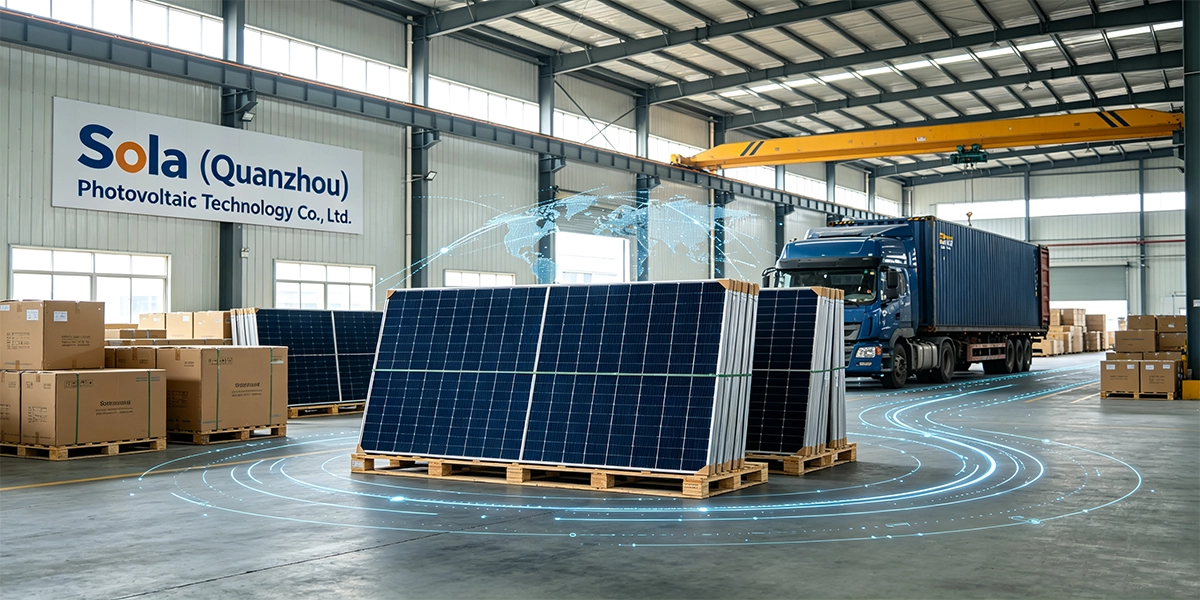
All solar panels, inverters, PV grid-connected cabinets, mounting brackets, cables, and accessories must be original and qualified products. Before installation, workers need to inspect every device carefully:
- Check solar panels for cracks, scratches, or hidden damage
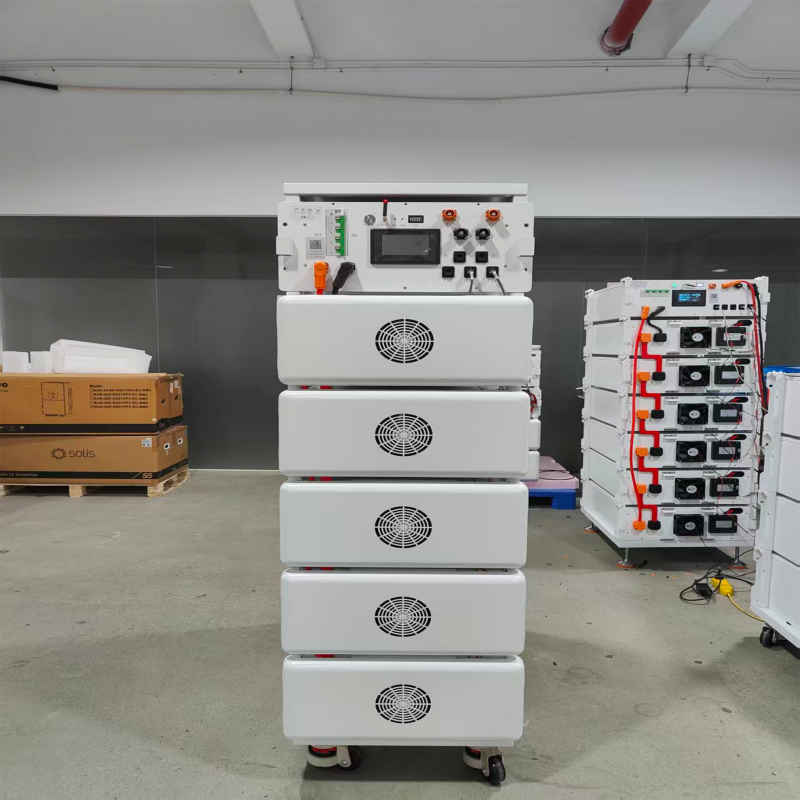
- Verify inverter and grid cabinet parameters match the system design
- Confirm brackets, bolts, waterproof parts, and cable specifications are compliant
Never use low-quality accessories or substitute random parts, which will lead to system instability and safety risks. All equipment should be stored in dry and clean conditions to avoid moisture and dust damage.
- Standard Mounting Bracket Installation
The solar bracket supports the entire PV system and directly affects wind resistance, earthquake resistance, and overall stability.
During installation:
- Fix all bolts and clamps tightly without loose installation or missing points
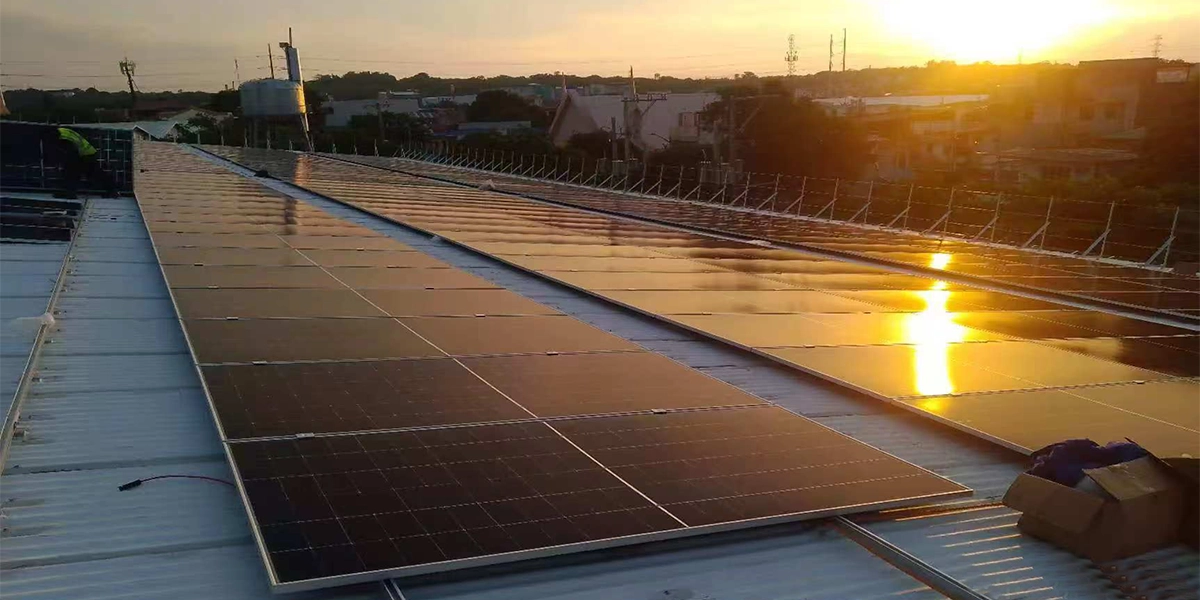
- For color steel tile roofs, use special clamps to avoid damaging the waterproof layer
- For concrete roofs, seal all drilled holes to prevent roof leakage
- Keep the entire bracket flat, balanced, and evenly stressed
Standard bracket installation effectively prevents solar panel tilting, falling, and water leakage during long-term outdoor operation.
- Solar Panel Installation Guidelines
Solar panels are precision optical and electrical components. Workers must handle panels gently without collision, stepping, or heavy pressure.
During installation:
- Keep panel arrangement neat, uniform, and orderly
- Ensure positive and negative wiring is accurate and firmly connected
- Complete waterproof and dustproof protection for all connectors
- Follow the official series and parallel circuit design strictly
Wrong wiring or poor contact will cause power generation reduction, short circuit failure, and system breakdown.
- Electrical Safety and Wiring Specifications
Electrical installation is the core safety part of PV systems. Inverters and grid-connected cabinets should be installed in dry, ventilated, and heat-dissipating areas, far from flammable objects.
All PV cables must use standard photovoltaic special wires with neat layout and firm fixation. Avoid exposed, worn, or stretched cables.
All electrical operations must be performed under power-off conditions. Workers must use insulated tools and follow low-voltage electrical safety standards.
In addition, complete system grounding protection is essential to prevent lightning strikes, electric leakage, and static damage.
- Construction Safety Standards
Most PV installation projects belong to high-altitude operations. All construction staff must wear safety helmets, safety belts, and non-slip shoes. It is forbidden to work in heavy wind, thunderstorm, rain, or extreme weather.
Construction zones must set up warning signs to prevent irrelevant personnel from entering the working area. Standardized construction greatly reduces accident risks and ensures project quality.
- System Testing and Acceptance
After installation is completed, the whole system must undergo comprehensive inspection and debugging before grid connection.
Check all brackets, panels, wiring connections, and electrical equipment. Test insulation resistance, grounding performance, and operating parameters. Ensure no abnormal heat, noise, or circuit errors.
After full inspection, complete official grid acceptance to guarantee long-term stable power generation.
- Daily Maintenance Considerations
Reserve maintenance space and inspection channels during installation. Users should not disassemble or modify PV equipment privately. Regular cleaning of solar panels, bracket inspection, and cable checks can extend system lifespan and maintain high power output.
Conclusion
PV solar installation is a systematic project requiring high standards of safety, precision, and professionalism. Every installation detail directly influences the solar system’s safety, efficiency, and service life. Standard installation guarantees stable power generation, safe operation, and long-term economic benefits for residential, commercial, and industrial photovoltaic power systems.