Introduction
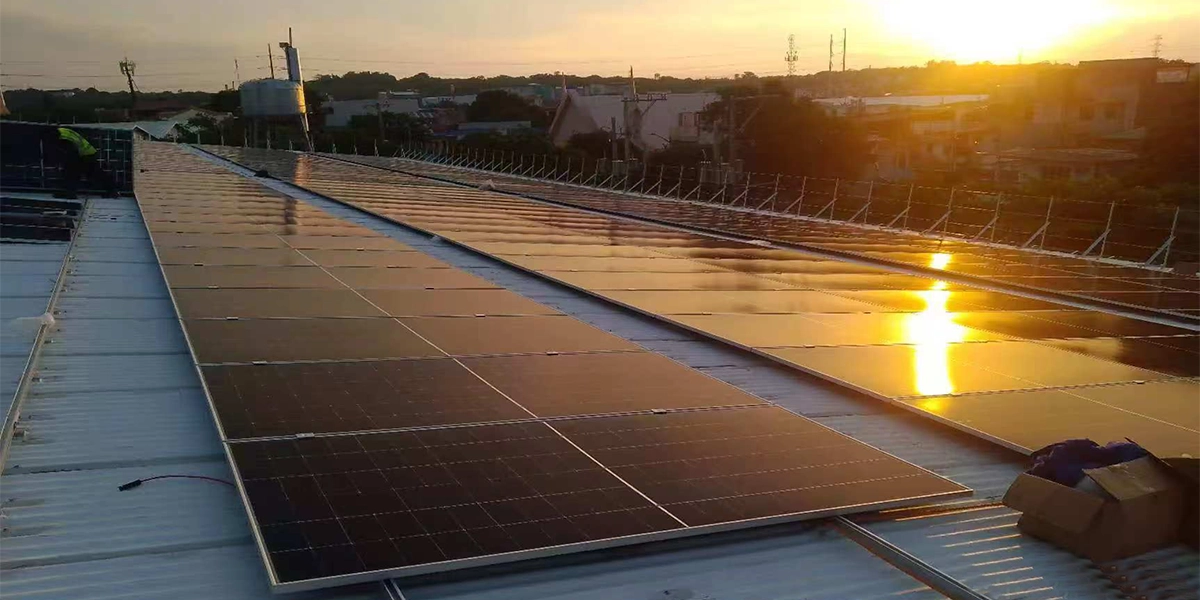
As the global energy transition accelerates, solar photovoltaic power generation has become the most widely used renewable energy source worldwide. However, solar energy’s intermittent and unstable nature limits its efficiency and grid compatibility. For this reason, solar PV plus energy storage systems have rapidly evolved from an optional upgrade to a core standard configuration for residential, commercial, and industrial solar projects.
From 2026 to 2030, the global solar storage industry will witness explosive growth, technological upgrades, cost reduction, and intelligent innovation. Understanding the latest development trends of solar and battery storage will help homeowners, installers, and investors grasp the future direction of green energy.
- Solar Plus Storage Becomes the Global Mainstream Standard
In the past, most residential and commercial solar systems operated as grid-tied-only setups without batteries. Today, pure solar installations are gradually being replaced by hybrid solar energy storage systems.
According to global energy industry data, the annual growth rate of global energy storage installations exceeds 25%. More countries and regions are realizing that solar power alone cannot guarantee stable power supply. Only by matching solar PV with reliable battery storage can users achieve peak shaving, self-consumption improvement, and blackout backup.
In European, Southeast Asian, and Oceanian markets, residential solar battery storage has become a mainstream home energy solution. In the future, nearly all newly installed rooftop solar systems will be equipped with matching energy storage devices.
- Continuous Cost Reduction and Higher Cost-Effectiveness
One of the most obvious development trends of solar storage is the continuous drop in overall system costs.
With mature battery production chains, improved cell technology, and large-scale industrial production, the price of lithium-ion home batteries continues to decline year by year. Meanwhile, high-efficiency solar panels, optimized mounting structures, and standardized accessories further reduce installation and maintenance costs.
Lower equipment costs and longer service lifespans greatly shorten the investment payback period. In 2026 and beyond, home solar energy storage systems will no longer be high-end customized products but affordable popular household upgrades for ordinary families.
- Intelligent and AI-Powered Energy Management
Future solar storage systems will become increasingly smart, automatic, and intelligent.
Traditional solar storage systems only support simple charging and discharging modes. New-generation systems adopt AI intelligent energy management technology. The smart inverter and battery management system (BMS) can automatically monitor sunlight intensity, real-time electricity prices, household power consumption habits, and grid conditions.
The system can intelligently adjust energy distribution strategies:
- Store electricity during low-price periods and daytime peak generation hours
- Discharge power automatically during high-price evening periods
- Reserve battery power for unexpected blackouts
- Optimize energy efficiency to reduce waste
Intelligent operation enables solar storage systems to achieve maximum economic benefits and energy utilization efficiency without manual intervention.
- Higher Battery Safety and Longer Lifespan
Safety and durability are always core concerns for users purchasing solar storage equipment. The industry’s future development direction focuses heavily on safer and longer-life battery technology.
Modern lithium batteries adopt upgraded chemical formulas, built-in multiple protection functions, and intelligent temperature control systems. They effectively prevent overcharging, over-discharging, overheating, and short circuits.
At the same time, the cycle life of mainstream home batteries has been increased to 6000–8000 cycles, supporting more than 15 years of stable household use. Higher safety standards and extended lifespans greatly improve the reliability of residential solar storage solutions.
- Integration of Lightweight and Modular Design
Future solar power storage for home will adopt more flexible modular design solutions.
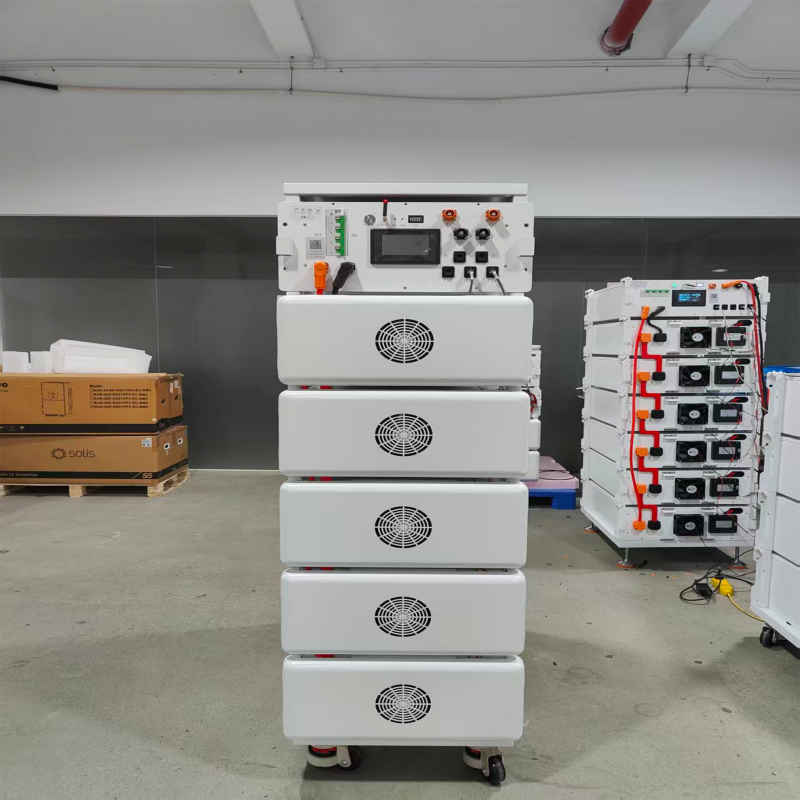
Traditional energy storage systems are large, heavy, and difficult to install or expand. New modular battery systems feature lightweight appearance, simple plug-and-play installation, and flexible capacity expansion.
Users can freely increase or decrease battery capacity according to household electricity demand, roof conditions, and budget. Modular design makes solar storage suitable for villas, ordinary residential buildings, small shops, and industrial buildings, greatly expanding market applicability.
- Off-Grid and Semi-Grid Independence Becomes Popular
Against the background of global rising electricity prices and unstable grid power, energy independence has become a key trend for family energy consumption.
More users are no longer completely dependent on municipal grid power. Hybrid solar storage systems support on-grid, off-grid, and seamless switching modes. In remote areas, mountainous areas, and regions with frequent power cuts, solar plus storage can provide long-term stable independent power supply.
In the future, more families will realize semi-off-grid or full off-grid green power living, completely controlling their own household energy consumption costs and power safety.
- Stronger Global Policy Support and Market Expansion
Global low-carbon policies continue to drive the rapid development of the solar storage industry.
Many countries have launched solar installation subsidies, tax reductions, green energy incentives, and grid-connection preferential policies. Governments actively encourage households and enterprises to install distributed photovoltaic energy storage systems to reduce carbon emissions and optimize energy structures.
With policy support, improved public awareness of green energy, and mature after-sales service systems, the global solar storage market will continue to expand rapidly in the next five years.
Conclusion: Solar Storage Is the Future of Green Energy
The development trend of solar PV and energy storage is clear: intelligent, low-cost, safe, modular, and independent.
From 2026 to 2030, solar plus energy storage will completely replace traditional single solar power generation and become the standard solution for home and commercial green energy. Whether for saving electricity bills, improving power safety, or realizing low-carbon environmental protection, investing in a residential solar storage system will be one of the most valuable long-term home upgrades.
As technology continues to iterate and costs continue to drop, solar PV energy storage will enter every family and become an indispensable part of smart green homes worldwide.