A home solar battery storage system is one of the best investments for modern households looking to cut electricity costs, achieve energy independence, and enjoy reliable backup power during grid outages. However, solar and energy storage systems combine solar panels, batteries, hybrid inverters, and complex electrical circuits. Improper installation can lead to safety hazards, low efficiency, or shortened equipment lifespan.
To help homeowners complete a safe, compliant, and high-performance setup, this article covers the most important considerations for home solar storage installation.
- Complete Pre-Installation Evaluation and Energy Demand Planning
Before purchasing and installing residential solar storage equipment, a detailed site assessment and energy demand analysis is essential.
First, calculate your household’s daily and monthly power consumption. Determine whether the system is mainly for daily electricity self-consumption or emergency backup power. This step helps you select the correct system capacity, avoiding overinvestment or insufficient power supply.
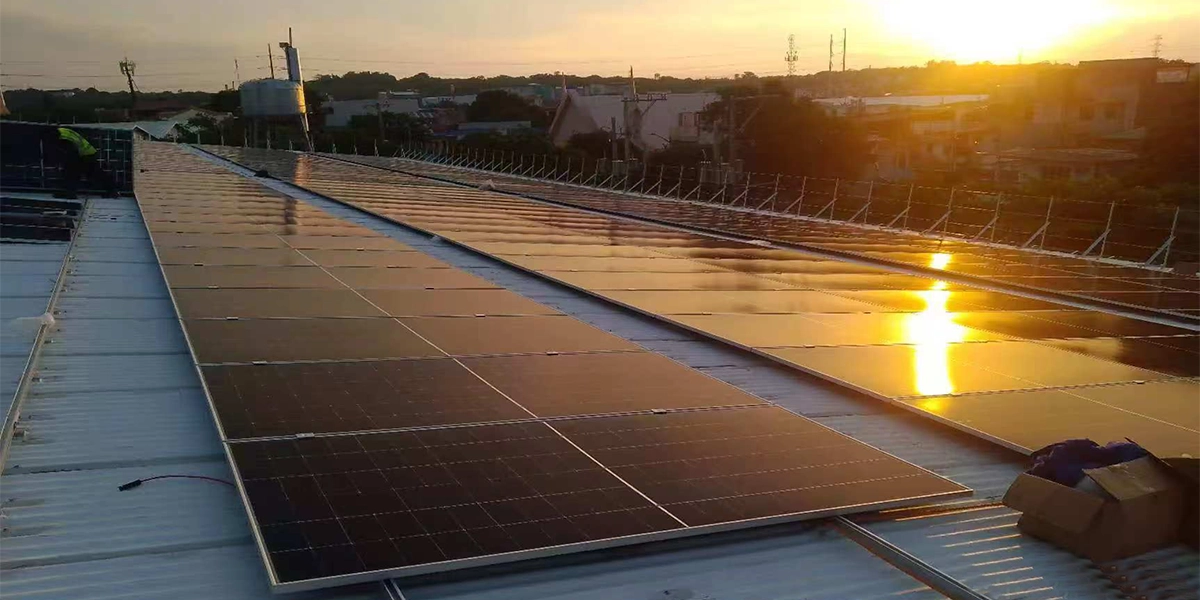
Second, check your installation environment. Rooftops, balconies, or outdoor mounting areas must receive sufficient sunlight without long-term shading from trees or buildings. Roof load-bearing capacity should be verified to safely support solar panels and mounting structures for decades.
In addition, reserve enough ventilation and maintenance space for inverters and batteries, as overheating caused by cramped installation will greatly reduce system efficiency.
- Follow Local Grid Rules and Installation Policies
Different regions have unique regulations for grid-tied and off-grid home solar storage systems. Compliance is necessary for legal and safe operation.
If you install a grid-tied solar battery system, make sure to follow local grid connection standards and complete official registration and approval. Unauthorized grid connection may cause grid instability and fail official inspections.
For off-grid solar storage systems, grid filing procedures are simpler in most areas. Still, all installations must comply with local electrical codes and fire safety standards to avoid potential legal and safety risks.
- Choose High-Quality and Matching Solar Storage Equipment
Equipment quality and parameter matching directly determine the safety, efficiency, and service life of your home solar storage system.
Solar panels and mounting brackets should adopt corrosion-resistant and wind-resistant materials to adapt to outdoor weather changes, ensuring a service life of more than 25 years.
For home energy storage batteries, lithium iron phosphate batteries are the most reliable option due to their high safety, stable cycle performance, and low failure rate. Avoid refurbished or low-quality batteries, which may cause overheating or fire risks. Always install batteries in dry, ventilated areas far from flammable materials.
The hybrid inverter must match the voltage and power parameters of your solar panels and batteries. Proper model selection ensures stable energy conversion and protects the entire system from overload damage.
- Standard Electrical Wiring and Safe Construction
Solar storage systems include both DC and AC circuits, making standardized electrical work extremely critical.
All wiring must use professional solar-specific cables with full waterproof and insulation protection. During installation, workers must confirm positive and negative polarity and string voltage to avoid wrong connection that may burn out the inverter or battery components.
Every system needs qualified circuit breakers and leakage protection devices, as well as reliable grounding. These protective measures effectively prevent electric leakage, static electricity, and lightning strike risks.
It is highly recommended that all installation and wiring work be completed by certified professional electricians. Non-standard self-installation often leads to hidden safety troubles and unstable system operation.
- Scientific Equipment Layout and Environment Adaptation
Reasonable equipment layout improves both safety and power generation efficiency.
Place batteries and inverters in dry, cool, and well-ventilated positions. Avoid direct sunlight, rain exposure, and humid environments, which accelerate equipment aging.
Install solar panels at the optimal angle and orientation according to local latitude to maximize sunlight absorption and power output. All brackets must be firmly fixed to resist strong wind and heavy snow.
Keep the installation area clean and unobstructed to ensure normal heat dissipation and convenient daily inspection.
- Post-Installation Testing and Regular Maintenance
Professional testing and daily maintenance ensure long-term stable operation of your home solar storage system.
After installation, complete a full system test, including power generation efficiency, battery charge and discharge performance, circuit safety, and protection device sensitivity. Only after full inspection can the system be officially put into use.
Keep complete after-sales warranty documents for panels, batteries, and inverters. Develop a simple maintenance routine: regularly clean dust on solar panel surfaces, check wire aging conditions, and monitor battery and inverter operating status.
Timely maintenance can effectively extend system lifespan, maintain high energy efficiency, and avoid sudden system failures.
Conclusion
Installing a home solar battery storage system is a practical way for homeowners to save energy bills and achieve independent power supply.
Successful residential solar storage installation relies on reasonable demand planning, qualified equipment selection, standardized construction, policy compliance, and regular maintenance. By following the above guidelines, users can build a safe, stable, and high-efficiency solar energy storage system for long-term home energy savings.