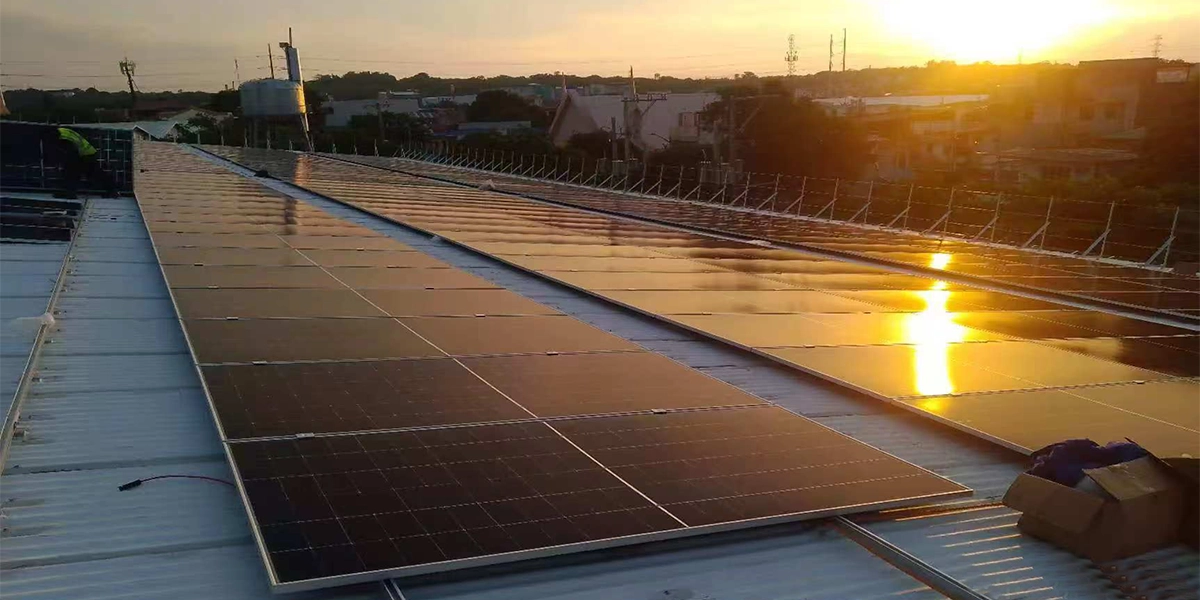
Lightning damage is one of the most common and destructive threats to photovoltaic power stations worldwide. Every year, direct lightning strikes and induced lightning surges cause PV module burnout, inverter short circuits, line breakdowns, and even entire power station shutdowns, leading to huge economic losses for solar investors and operators. While most people rely solely on external lightning rods and surge protective devices (SPDs) for PV lightning protection, high-quality photovoltaic materials play an irreplaceable core role in building a passive lightning protection barrier for PV systems. This guide will elaborate on how to use professional photovoltaic materials to achieve efficient, stable, and durable lightning protection for PV power stations, helping you optimize PV system safety and extend service life in line with IEC 62305 lightning protection standards.
Why Photovoltaic Materials Matter for PV Lightning Protection
A complete PV power station lightning protection system includes active external lightning protection and passive internal lightning protection. Lightning rods and grounding grids prevent direct lightning strikes, while specialized photovoltaic materials resist induced overvoltage, isolate surge currents, and avoid secondary lightning damage to core equipment. Most PV lightning failures are not caused by direct lightning hits, but by inferior PV materials that fail to insulate, conduct, and disperse lightning current effectively.
High-performance photovoltaic lightning protection materials solve three core pain points of traditional PV systems. First, they provide reliable insulation isolation to block induced lightning current from spreading along PV strings. Second, they form a low-resistance conduction channel to guide stray lightning current to the ground steadily. Third, they enhance the weather resistance of PV modules and lines, preventing material aging from thunderstorm humidity and high temperature that weakens lightning protection performance. For residential rooftop PV systems, commercial distributed power stations, and large-scale ground-mounted solar plants, matching qualified photovoltaic lightning protection materials is the foundation of long-term operational safety.
Key Photovoltaic Materials for PV Station Lightning Protection & Application Methods
Professional photovoltaic lightning protection covers module auxiliary materials, wiring materials, grounding conductive materials, and insulation shielding materials. Each type of material has a standardized application method to maximize lightning protection efficiency.
- PV Module Anti-Lightning Insulation Backsheets
The PV backsheet is the core protective material of solar panels and the first barrier against induced lightning. Inferior single-layer backsheets are prone to breakdown and electric leakage under high lightning-induced voltage, while high-performance double-layer or three-layer fluorine-based PV backsheets feature ultra-high insulation resistance and voltage resistance.
In practical application, installing qualified lightning-proof backsheets on PV modules can effectively isolate the high induced voltage generated by nearby lightning strikes from penetrating the module interior. This protects solar cells and internal circuit lines from breakdown damage. For PV power stations in high-lightning-risk areas, it is essential to select backsheets with a withstand voltage above 1000V and anti-corrosion, anti-aging properties. These materials maintain stable insulation performance even in extreme thunderstorm, rainy, and humid environments, avoiding lightning leakage faults caused by backsheet aging and cracking.
- Low-Resistance PV Grounding Conductive Materials
Reasonable lightning current diversion is the core of passive lightning protection, and professional photovoltaic grounding materials ensure low-resistance transmission of lightning current to the ground. Traditional ordinary iron conductors have high resistance and are easy to oxidize and rust, which will increase grounding resistance, block lightning current discharge, and cause lightning surge backflow to damage equipment.
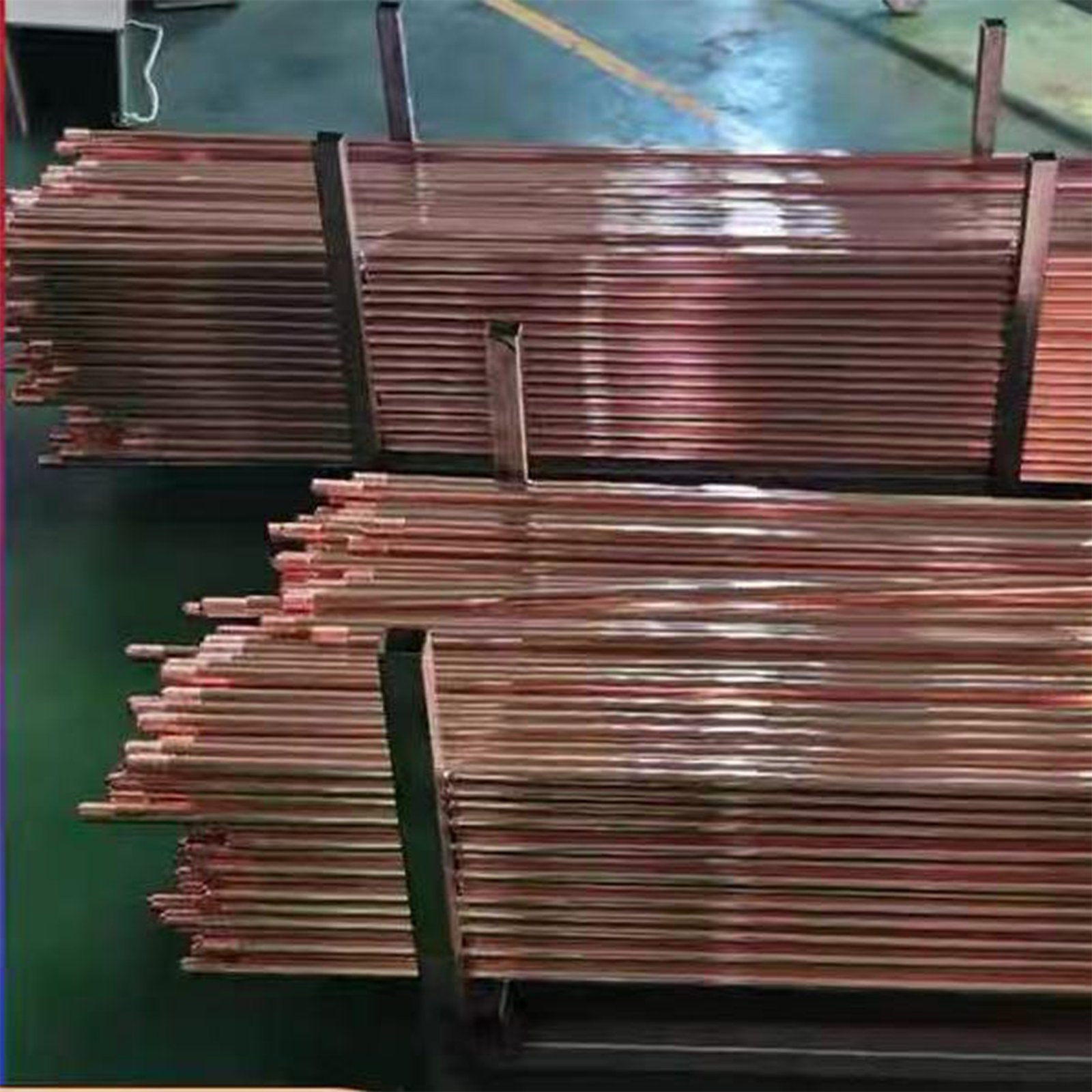
Specialized photovoltaic grounding materials such as tinned copper grounding wires, galvanized steel brackets, and copper-clad steel grounding strips are widely used in PV station lightning protection construction. PV module metal frames and mounting brackets can be fully connected with low-resistance grounding wires to form an integral grounding network. According to PV industry safety specifications, the overall grounding resistance of the PV system must be controlled below 4Ω. High-quality conductive materials effectively reduce grounding resistance, accelerate lightning current dissipation, and eliminate residual surge voltage in the PV array. For large ground-mounted PV power stations, vertical galvanized steel angle steel grounding electrodes combined with horizontal flat steel grounding strips form a stable artificial grounding network to adapt to complex soil environments.
- Lightning-Proof PV Cables & Insulating Sleeve Materials
PV DC and AC cables are the main channels for lightning-induced surge propagation. When lightning strikes near a power station, strong electromagnetic induction will generate instantaneous overvoltage on PV lines, which spreads to inverters and distribution boxes and burns out electrical components.
Special lightning-proof photovoltaic special cables adopt cross-linked polyethylene insulation materials, with high insulation strength, anti-voltage impact, and anti-electromagnetic interference capabilities. Different from ordinary wires, professional PV cables can resist instantaneous high surge current generated by lightning and avoid line breakdown and short-circuit faults. Meanwhile, wrapping cable joints and exposed lines with flame-retardant and lightning-proof insulating sleeves can isolate external electromagnetic lightning induction, prevent lightning current from invading the system through line gaps, and greatly reduce the failure rate of induced lightning damage. In system design, separate routing of DC and AC cables with insulated shielding materials further minimizes lightning induction coupling risks.
- Anti-Corrosion Lightning Protection Accessories for PV Systems
Long-term exposure to outdoor wind, rain, and oxidation will cause aging and failure of lightning protection structures. Professional photovoltaic anti-corrosion lightning protection accessories can maintain the long-term stability of the lightning protection system.
Materials such as lightning-proof waterproof gaskets, anti-oxidation terminal lugs, and insulating sealing glue are essential for detailed lightning protection construction. The gaps between PV module frames and brackets are filled with waterproof and insulating gaskets to avoid metal friction oxidation and poor grounding contact caused by rainwater erosion. Anti-oxidation terminal lugs ensure stable connection between grounding wires and equipment, preventing increased contact resistance from oxidation that affects lightning current conduction. Sealing insulating glue seals wiring joints and equipment gaps to prevent moisture ingress and maintain continuous insulation and lightning protection performance of the system throughout all seasons.
Standardized Steps to Build PV Lightning Protection with Photovoltaic Materials
Using professional photovoltaic materials in a standardized manner is the key to achieving expected lightning protection effects. Random material matching and non-standard construction will lead to hidden lightning hazards. Follow these four steps to optimize PV station lightning protection:
Step 1: Select Graded Lightning Protection Materials Based on Regional Risk
First, evaluate the local lightning activity frequency, soil resistivity, and installation environment. For coastal, mountainous, and high-lightning-density areas, select high-grade fluorine backsheets, double-shielded PV cables, and high-precision low-resistance grounding materials. For conventional plain areas, adopt standard photovoltaic lightning protection materials to balance safety and cost.
Step 2: Build an Integrated Grounding Network with Conductive Materials
Connect all PV module metal frames, mounting brackets, inverter shells, and distribution box casings in series with dedicated photovoltaic grounding wires. Combine artificial grounding electrodes to form a unified grounding system. Test and ensure the grounding resistance is lower than the 4Ω standard specified by IEC 62305 to ensure unobstructed lightning current discharge.
Step 3: Integrate Insulation & Shielding Materials for System Isolation
Lay lightning-proof insulated sleeves for all exposed PV lines, use high-insulation backsheets for modules, and seal all wiring gaps and equipment joints. Isolate the PV power generation system from external lightning electromagnetic induction to block the transmission path of induced lightning surges.
Step 4: Regular Material Inspection & Maintenance
Photovoltaic lightning protection materials will age slightly after long-term outdoor operation. Before the thunderstorm season every year, check the insulation integrity of backsheets and cables, the oxidation degree of grounding conductive parts, and the sealing performance of accessories. Replace aging and failed materials in time to keep the lightning protection system in optimal working condition.
Advantages of Material-Based PV Lightning Protection Solutions
Compared with traditional single lightning rod and SPD protection schemes, lightning protection based on professional photovoltaic materials has more comprehensive advantages. First, it realizes full-system passive protection, covering PV modules, lines, and equipment, making up for the defect that traditional devices only protect against direct lightning strikes. Second, the dedicated PV lightning protection materials are highly matched with solar power generation systems, with weather resistance, anti-aging, and anti-corrosion properties, adapting to long-term outdoor operation. Third, it reduces the dependence on electrical lightning protection devices, lowers the failure rate of surge protectors, and cuts long-term operation and maintenance costs of PV power stations. Fourth, the overall safety and stability of the system are improved, effectively reducing equipment damage rate and power generation loss caused by lightning faults.
Common Mistakes in PV Material Lightning Protection
Many PV power station lightning protection failures stem from improper material selection and construction. Avoid these three typical mistakes. First, using ordinary building insulation materials instead of dedicated photovoltaic lightning protection materials, which cannot withstand high-frequency lightning surge impact and are prone to breakdown failure. Second, only installing lightning rods without matching professional grounding and insulation materials, resulting in unsmooth lightning current discharge and secondary surge damage. Third, ignoring material aging maintenance, leading to decreased insulation and conduction performance after long-term use, leaving hidden lightning hazards.
Final Thoughts
Lightning protection is a crucial part of PV power station safe operation and asset preservation. External lightning protection devices can only prevent direct lightning strikes, while professional photovoltaic materials build an all-round passive lightning protection barrier for the PV system, resisting induced lightning surges, isolating electromagnetic interference, and ensuring stable discharge of lightning current.
By selecting high-performance PV backsheets, low-resistance grounding conductive materials, lightning-proof cables, and supporting anti-corrosion accessories, and implementing standardized construction and regular maintenance, you can effectively eliminate lightning hazards, extend the service life of PV equipment, and maximize the return on investment of solar power stations. For all residential, commercial, and large-scale ground PV projects, material optimization is the most cost-effective and reliable lightning protection solution.