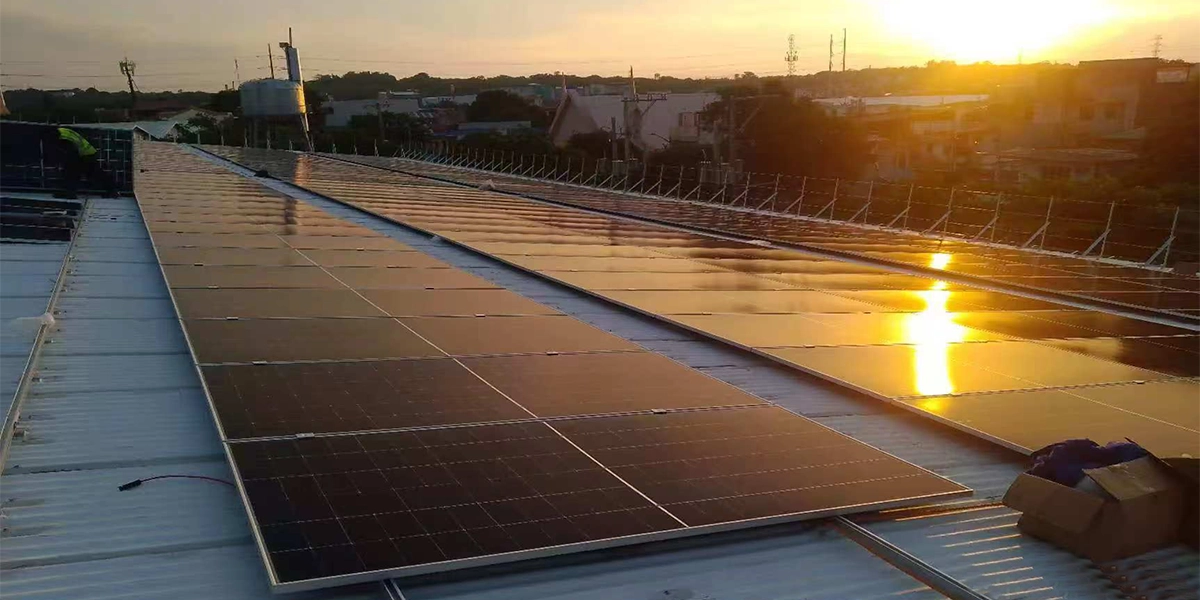
Selecting the right photovoltaic (PV) brackets is one of the most critical steps for building a durable, efficient, and safe solar power system. Many solar owners and installers focus heavily on solar panel efficiency and inverter performance but overlook the importance of high-quality PV mounting brackets.
Professional photovoltaic brackets fix solar panels in place, adjust installation angles, resist extreme weather, and directly determine the overall service life, power generation efficiency, and operational safety of the solar system. Choosing unsuitable PV brackets will lead to panel displacement, reduced power output, corrosion damage, and even safety hazards such as collapse in severe cases.
If you are wondering how to choose photovoltaic brackets for residential rooftop, commercial industrial, or ground solar projects, this comprehensive guide will walk you through all key factors, types, materials, and selection tips to help you make a cost-effective and long-lasting decision.
- Classify PV Brackets by Installation Scenario First
The first rule of photovoltaic bracket selection is matching the bracket type to your installation environment. Different application scenarios require exclusive mounting structures, which is the premise of safe and stable installation.
1.1 Rooftop Photovoltaic Brackets
Rooftop solar systems are the most common for residential and small commercial projects, divided into pitched roof and flat roof brackets.
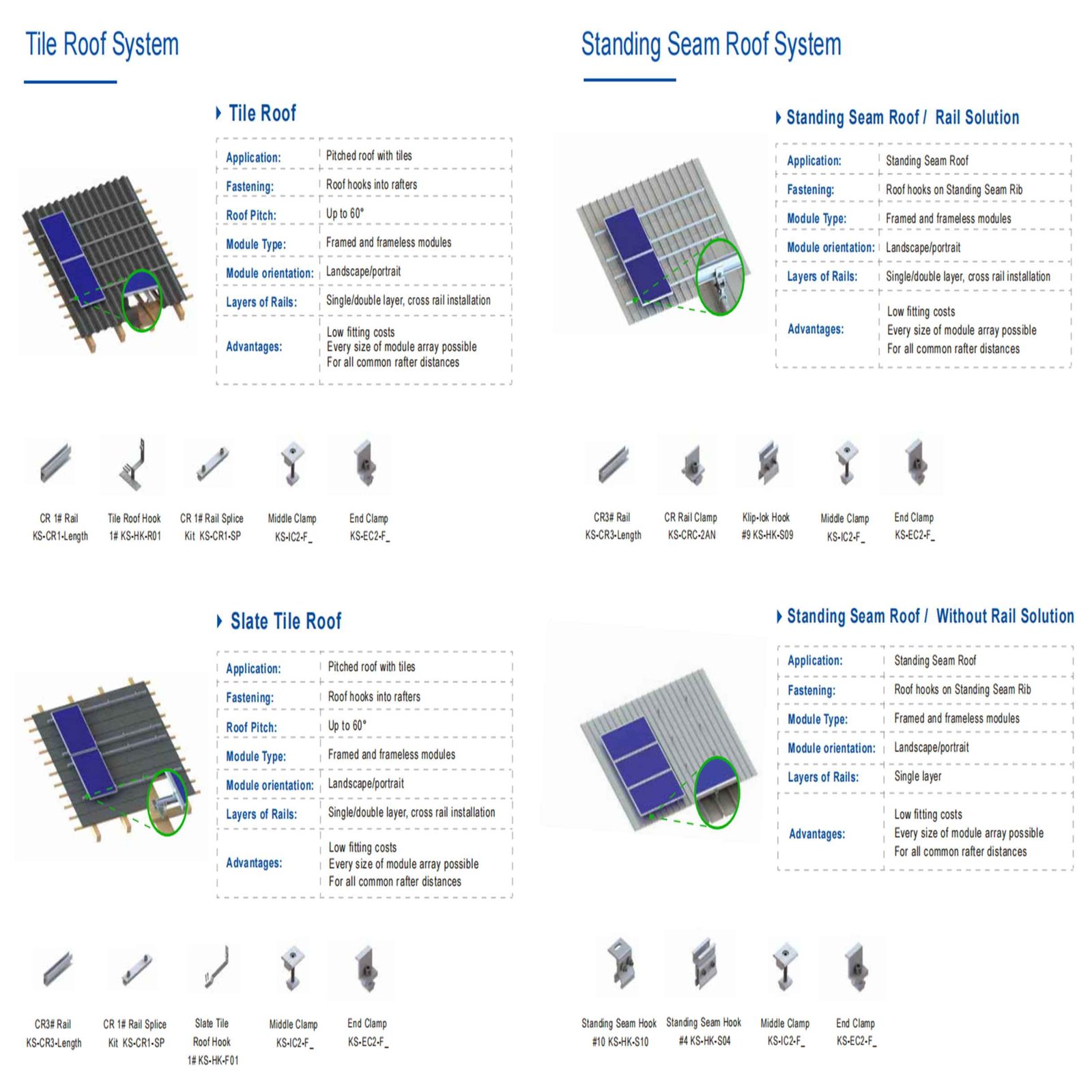
- Pitched roof PV brackets: Suitable for tile roofs, asphalt roofs, and metal tile roofs. They feature lightweight design, non-destructive installation, strong fitting performance, and will not damage the original roof waterproof structure. They are the mainstream choice for household solar systems.
- Flat roof PV brackets: Adopt ballasted or pre-assembled rail structures, no roof drilling required. They support adjustable tilt angles to maximize sunlight absorption and are widely used in factory buildings, office buildings, and urban flat roof projects.
1.2 Ground Photovoltaic Brackets
Ground PV brackets are designed for large-scale solar power plants, rural open land, and industrial park ground projects. With high structural strength and wide spacing design, they adapt to complex terrains such as slopes and wetlands. Most ground brackets support automatic angle adjustment to adapt to seasonal sunlight changes, effectively improving overall power generation.
1.3 Special Scenario PV Brackets
In addition to conventional types, there are customized brackets for special scenes: balcony PV brackets for household balcony mini solar systems, carport solar brackets for parking lot photovoltaic integration projects, and floating PV brackets for lake and reservoir water surface solar projects.
- Choose PV Bracket Materials Based on Durability and Cost
The material of photovoltaic brackets determines corrosion resistance, service life, load-bearing capacity, and overall cost. The three most mainstream materials in the solar industry are aluminum alloy, hot-dip galvanized steel, and stainless steel.
2.1 Anodized Aluminum Alloy Brackets
Aluminum alloy PV brackets are the most popular choice for civilian solar projects.
- Advantages: Ultra-light weight, convenient transportation and installation, excellent anodized anti-corrosion performance, no rust in humid coastal environments, beautiful appearance, and long service life of 25–30 years.
- Disadvantages: Slightly lower hardness than steel brackets, higher unit price.
- Best application: Household rooftop solar, small commercial solar, balcony photovoltaic systems.
2.2 Hot-Dip Galvanized Steel Brackets
Steel photovoltaic brackets are preferred for large industrial and ground power stations.
- Advantages: Super high structural strength, strong wind and snow load resistance, excellent stability, low comprehensive cost, suitable for heavy-load large-area solar systems.
- Disadvantages: Heavier weight, requires regular anti-rust maintenance in extreme environments.
- Best application: Large ground solar power plants, industrial factory rooftop solar, high-altitude and heavy-snow areas.
2.3 Stainless Steel Brackets
Stainless steel PV brackets are high-end customized products.
- Advantages: Extreme corrosion resistance, zero maintenance, strongest durability, adaptable to salt spray, high humidity, and severe marine climates.
- Disadvantages: High cost, heavy weight, not suitable for ordinary civilian projects.
- Best application: Coastal photovoltaic projects, offshore floating solar, high-end industrial solar systems.
- Core Technical Parameters for PV Bracket Selection
Many users only focus on appearance and price when purchasing photovoltaic brackets, ignoring core technical parameters that affect safety and efficiency. The following indicators are indispensable for selection.
3.1 Wind Load and Snow Load Resistance
Wind load and snow load are the most critical safety parameters for PV brackets. Brackets must withstand local extreme weather to prevent panel overturning and structural deformation.
- Residential brackets need to meet local conventional wind resistance standards (level 10–12 wind resistance);
- Ground power station brackets require customized reinforcement according to regional snowfall and typhoon conditions;
- Always check official load test reports and industry certification documents before purchasing.
3.2 Adjustable Tilt Angle Performance
The tilt angle of photovoltaic panels directly affects sunlight exposure time and power generation efficiency. High-quality brackets support flexible angle adjustment (10°–60° adjustable). Reasonable angle matching local latitude can increase power generation by 10%–20% throughout the year. Fixed-angle brackets are only suitable for standard scenarios, while adjustable brackets are more cost-effective for long-term use.
3.3 Panel Compatibility
Standard photovoltaic brackets are compatible with mainstream solar panel frame sizes (30mm–50mm frame width). Before selection, confirm the bracket rail spacing, card slot size, and mounting hole position to ensure perfect fitting with your monocrystalline, polycrystalline, or bifacial solar panels, avoiding installation mismatch and structural instability.
- Compliance and Certification Standards
Formal photovoltaic brackets must comply with international and industry safety standards, which is the guarantee of product quality and after-sales safety. When choosing PV brackets, prioritize products with the following certifications:
- ISO international quality system certification
- CE European safety certification
- Local building code and structural safety certification
- Third-party wind and snow load resistance test reports
Qualified standardized brackets not only pass engineering acceptance smoothly but also avoid safety risks caused by non-standard structural design.
- Installation Convenience and After-Sales Service
For solar project investors and installers, installation efficiency and after-sales support are key factors that cannot be ignored.
- Pre-assembled modular brackets can greatly shorten installation time, reduce labor costs, and minimize on-site construction errors;
- Professional suppliers provide detailed installation manuals, technical guidance, and long-term quality warranty (10–25 years);
- Avoid low-cost unbranded brackets with no after-sales guarantee, which are prone to deformation and aging and cannot be maintained and replaced in time.
- Common Mistakes to Avoid When Choosing Photovoltaic Brackets
- Only pursue low price: Inferior brackets use thin materials and poor anti-corrosion technology, which will rust and deform within 2–3 years, bringing huge hidden dangers;
- Unmatched installation scenario: Using roof brackets for ground projects or non-drilling brackets for special roofs leads to unstable installation;
- Ignore climate adaptability: Ordinary iron brackets used in coastal salt spray areas will corrode rapidly and shorten the service life of the entire solar system;
- Neglect angle adjustability: Fixed-angle brackets cannot optimize sunlight absorption, resulting in long-term low power generation efficiency.
Final Thoughts
Choosing suitable photovoltaic brackets is a long-term investment for solar power systems. The best PV brackets are not the most expensive ones, but the ones that match your installation scenario, local climate, panel specifications, and budget.
To sum up, follow this selection logic: confirm installation scene → select matching material → verify load parameters and compatibility → check formal certifications → confirm installation and after-sales service.
A qualified photovoltaic bracket system can ensure 25+ years of stable operation of solar panels, maximize power generation benefits, and fully protect your solar investment.
FAQ
Q1: Are aluminum or steel PV brackets better for home use?
Aluminum alloy brackets are more suitable for household rooftop solar systems due to their light weight, easy installation, and anti-rust performance. Steel brackets are more recommended for large industrial projects.
Q2: How long do photovoltaic brackets last?
High-quality anodized aluminum and hot-dip galvanized steel PV brackets have a service life of 25–30 years, consistent with the service life of solar panels.
Q3: Do PV brackets need regular maintenance?
Aluminum alloy and stainless steel brackets are basically maintenance-free. Steel brackets need annual anti-rust inspection and simple maintenance in harsh environments.
Q4: Can PV brackets adapt to extreme weather?
Certified regular brackets can resist strong winds, heavy snow, and hail. It is recommended to customize parameters according to local climate characteristics before purchase.
Keywords: how to choose photovoltaic brackets, photovoltaic bracket selection guide, solar mounting bracket types, best PV bracket material, rooftop solar brackets