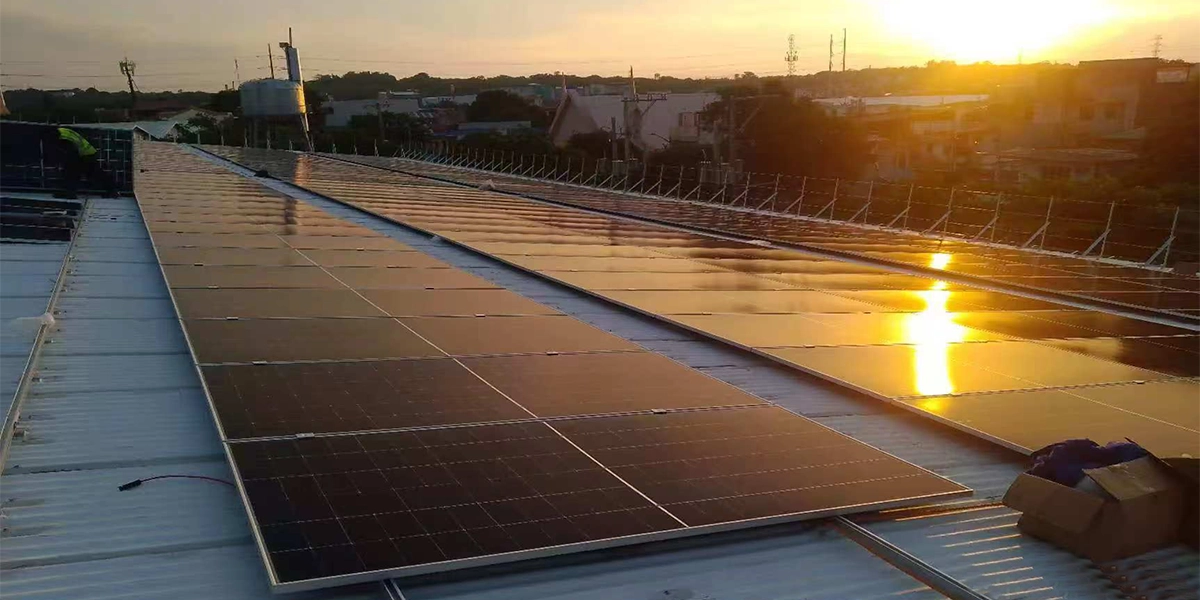
When people talk about solar power station safety, most attention goes to solar panels, inverters, and circuit protection devices. However, one easily overlooked component plays the most decisive role in long-term system safety and stability: photovoltaic cables. In fact, PV cables are the bloodline of every solar power system, and their quality, durability, and compliance directly determine whether a solar station can operate safely for 25 to 30 years.
Why PV Cables Are the Core of Solar Station Safety
A complete solar power system relies on PV cables to transmit DC power from solar modules to inverters. Unlike ordinary electrical wires, PV cables work outdoors all year round under extreme conditions, including strong UV radiation, high temperature exposure, heavy rain, humidity, and frequent temperature fluctuations.
Many solar safety accidents, such as overheating, short circuits, electric arcs, and even rooftop fires, are not caused by defective solar panels or inverters. According to industry statistics, more than 12% of photovoltaic system failures stem from substandard PV cables and irregular wiring. Low-quality cables suffer insulation aging, conductor oxidation, and performance degradation within just 3–5 years, seriously threatening the overall safety of the solar power station.
Risks of Using Low-Quality Solar PV Cables
Many solar project developers and installers choose cheap general-purpose wires to cut costs, which leads to severe hidden safety hazards in the long run.
First, poor insulation and weather resistance cause rapid aging. Ordinary cables cannot resist UV rays and high temperatures. After long-term outdoor exposure, the outer sheath will crack and peel off, resulting in leakage current and ground faults.
Second, inferior cables lack flame-retardant performance. When the system is overloaded or short-circuited, the cable will catch fire quickly and spread flames across the entire solar array, causing irreversible losses for residential rooftop, commercial, and industrial solar projects.
Third, unstable conductive performance leads to power loss and overheating. Substandard conductors increase line resistance, generate excessive heat during power transmission, and continuously reduce solar power generation efficiency. This not only wastes energy but also forms a vicious cycle of high temperature and safety risks.
How Standard PV Cables Ensure Long-Term Solar Station Safety
Qualified professional PV cables are strictly manufactured according to international standards such as EN 50618, UL 4703, and NEC 690, specially designed for long-term outdoor DC solar systems.
- UV and High-Temperature Resistance
High-quality PV cables adopt special cross-linked materials, resisting ultraviolet aging and withstanding extreme temperatures from -40°C to 120°C. The stable outer sheath maintains intact protection throughout the 25-year service life of solar power stations.
- Flame Retardant and Low Smoke Zero Halogen (LSZH)
Formal PV cables use LSZH flame-retardant materials. In case of accidental short circuits or high temperatures, the cables will self-extinguish without releasing toxic smoke or corrosive gas, effectively preventing fire spread and improving rooftop solar safety.
- Stable DC High-Voltage Performance
Professional PV cables support 1000V and 1500V DC high-voltage transmission, adapting to the high-voltage working environment of modern solar power stations. They avoid arc faults and breakdown risks common in ordinary wires.
- Anti-Aging and Long Service Life
Standard PV cables match the 25–30 year lifespan of solar panels. No frequent replacement or maintenance is required, greatly reducing hidden safety risks and later operation costs.
Common Solar Cable Installation Mistakes That Threaten Safety
Even with high-quality PV cables, irregular installation will still compromise solar station safety.
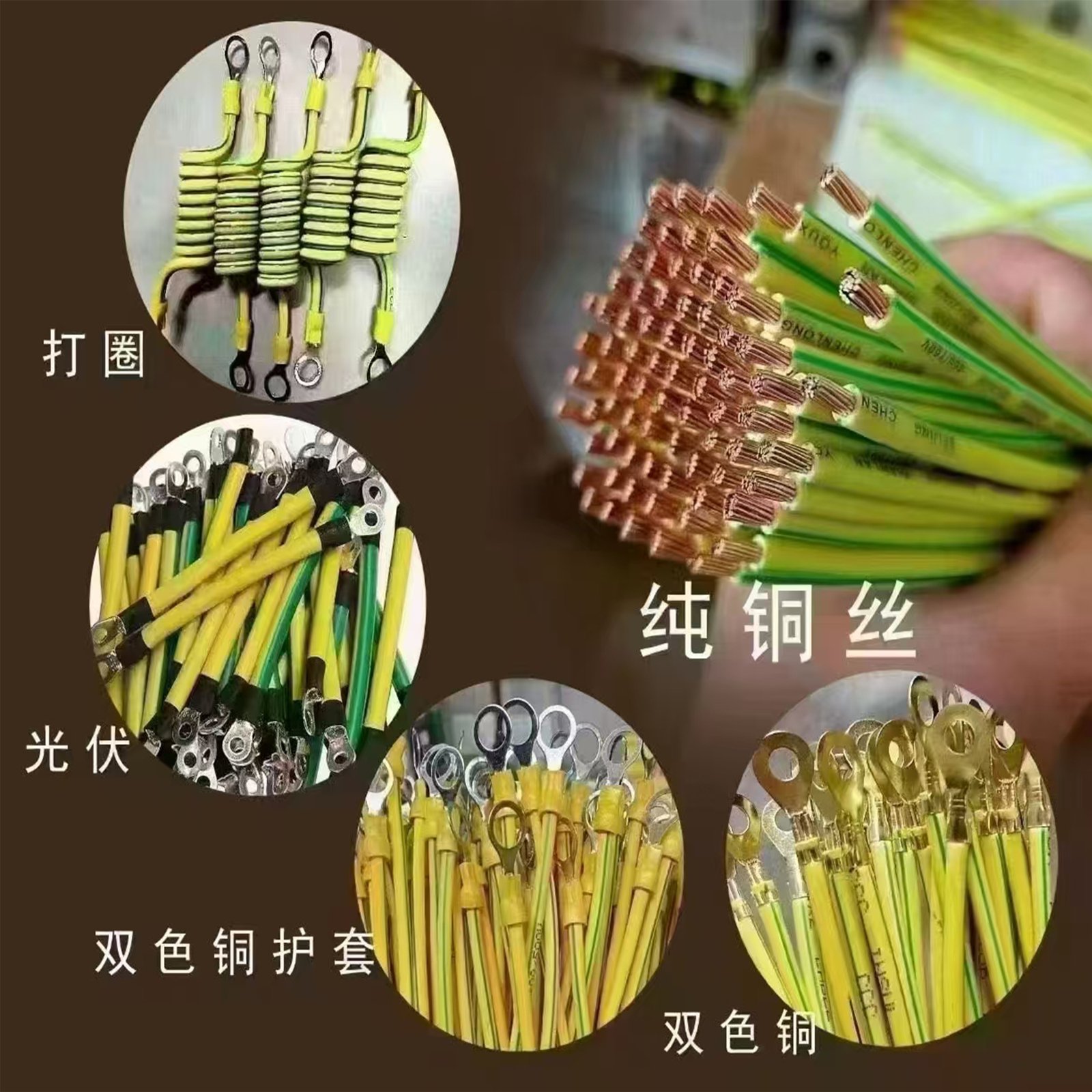
Using general building wires instead of dedicated PV cables is the most common mistake. Ordinary THHN and THWN wires are only suitable for indoor low-voltage environments and cannot withstand outdoor solar working conditions.
In addition, unreasonable cable layout, excessive bending, exposed wiring without protection, and mixed positive and negative wiring will accelerate cable damage and cause safety hazards.
Key Standards for Choosing Safe Solar PV Cables
To guarantee solar power station safety, all solar projects must select fully certified PV cables:
- Compliant with EN 50618 European photovoltaic cable standard
- Meet UL 4703 solar wire safety certification
- Comply with NEC 690 solar system electrical specifications
- Adopt low-smoke zero halogen and flame-retardant materials
- Support long-term outdoor UV, water, and temperature resistance
Final Conclusion
Solar panel efficiency and inverter performance determine power generation output, while PV cable quality determines solar power station safety.
As the key power transmission component running continuously for decades, PV cables are never a negligible accessory cost. Choosing certified, high-quality solar PV cables eliminates fire risks, reduces system failure rates, ensures stable power generation, and protects the long-term investment benefits of residential, commercial, and industrial solar projects.
For any solar installation, safe and standard PV cables are always the fundamental guarantee for long-term stable operation.